Current Price of Wood and Timber for Construction in Nigeria: Types, Uses and Buying Guide

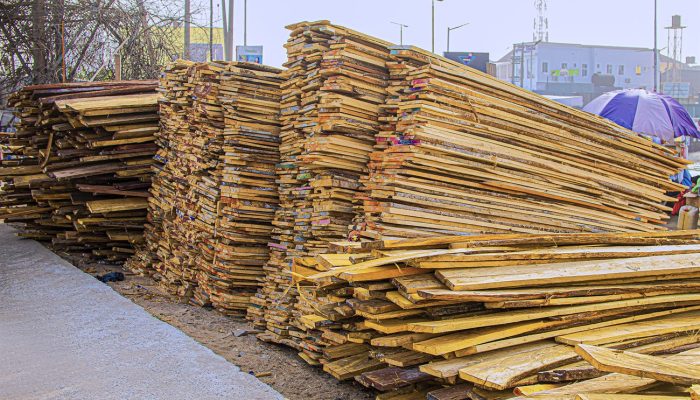
Wood and timber remain some of the most widely used construction materials in Nigeria. Despite the growth of concrete and steel construction, timber continues to play a critical role in residential, commercial, and industrial building projects across the country.
From formwork and roofing to doors, furniture, and finishing, wood is valued for its availability, flexibility, and cost-effectiveness. This guide explains the common types of wood used in Nigeria, their construction applications, current market prices, and what buyers should consider before purchasing.
Understanding Wood and Timber in Construction
In construction terms, wood refers to the raw material obtained from trees, while timber is wood that has been processed, cut, and prepared for building purposes. Timber used in Nigerian construction is typically sourced from local forests or imported, depending on the species and intended application.
Timber may be used in its natural form or treated to improve durability, resistance to moisture, insects, and decay.
Common Uses of Wood in Nigerian Construction
Wood and timber are used in many stages of building construction in Nigeria, including:
- Roofing structures such as trusses and rafters
- Formwork for concrete casting
- Doors, windows, and frames
- Ceiling frameworks and finishes
- Flooring and staircases
- Scaffolding and temporary supports
- Furniture and interior fittings
Its adaptability makes it suitable for both structural and decorative purposes.
Popular Types of Wood and Timber Used in Nigeria
Hardwood
Hardwood is derived from slow-growing trees and is known for its strength and durability. It is commonly used for structural elements, doors, furniture, and high-load applications.
Examples of hardwood commonly used in Nigeria include mahogany, iroko, teak, and opepe. These woods are resistant to termites and moisture, making them suitable for long-term construction.
Softwood
Softwood comes from fast-growing trees and is generally lighter and easier to work with. It is often used for roofing, ceiling frames, formwork, and temporary structures.
Common softwoods in Nigeria include whitewood and pine, which are widely available and more affordable than hardwood.
Treated Timber
Treated timber is wood that has undergone chemical treatment to improve resistance to insects, rot, and moisture. This type of timber is recommended for outdoor applications and areas exposed to damp conditions.
Timber Sizes Commonly Sold in Nigeria
Timber in Nigerian markets is typically sold in standardized sizes, although measurements may vary slightly by location and supplier. Common sizes include:
- 2×3 inches
- 2×4 inches
- 3×4 inches
- 2×6 inches
Lengths often range between 12 feet and 16 feet. Buyers should always confirm measurements before purchase, as undersized timber is common in some markets.
Price Guide: Cost of Wood and Timber in Nigeria (2025)
Prices of timber in Nigeria depend on factors such as wood type, size, location, and market demand. Below is a general price guide based on prevailing market trends.
Softwood timber typically costs between ₦1,500 and ₦3,500 per length, depending on size and quality. Hardwood timber prices range from ₦4,000 to ₦10,000 per length, with premium species costing more. Treated timber is usually priced higher than untreated wood due to processing costs.
Prices tend to be higher in major cities such as Lagos, Abuja, and Port Harcourt due to transportation and demand.
Factors Affecting Timber Prices in Nigeria
Several factors influence the price of wood and timber in Nigeria:
Availability of forest resources plays a major role, as logging restrictions and environmental regulations affect supply. Transportation costs also significantly impact prices, especially for timber sourced from distant regions. Seasonal demand, especially during peak construction periods, can drive prices upward. Exchange rates affect the cost of imported timber and treatment chemicals.
Advantages of Using Wood in Construction
Wood is easy to work with, making construction faster and more flexible. It is widely available across Nigeria and can be sourced locally. Timber offers good strength-to-weight ratio and is suitable for both temporary and permanent structures. It is also reusable, particularly in formwork applications.
Limitations and Challenges
Wood is vulnerable to termites, moisture, and decay if not properly treated. Poor-quality or improperly seasoned timber can warp or crack over time. Inconsistent sizing and quality in local markets can also be a challenge for builders.
Proper selection and treatment are essential to avoid long-term structural issues.
Buying Guide: What to Check Before Buying Timber
Before purchasing wood or timber for construction in Nigeria, buyers should inspect the timber for straightness, dryness, and visible defects such as cracks or insect holes. It is important to confirm the actual dimensions and ensure the wood has been properly seasoned or treated.
Buyers should also consider the intended use of the timber and select the appropriate type accordingly. Structural applications require stronger hardwood or well-treated softwood, while temporary uses may allow for cheaper options.
Storage and Maintenance
Timber should be stored in a dry, well-ventilated area and raised off the ground to prevent moisture absorption. Exposure to rain and direct sunlight should be minimized. Proper storage helps preserve strength and prevents warping or decay before use.
Frequently Asked Questions
Which wood is best for roofing in Nigeria?
Softwood such as whitewood is commonly used for roofing, but treated hardwood offers better durability.
Is hardwood better than softwood?
Hardwood is stronger and more durable, but softwood is cheaper and suitable for many applications.
Why is timber expensive in some areas?
Transportation costs, scarcity, and high demand contribute to higher prices in urban centers.
Should timber be treated before use?
Yes. Treatment improves resistance to termites and moisture, especially in Nigeria’s climate.
Final Conclusion
Wood and timber remain essential materials in Nigeria’s construction industry. Their versatility, availability, and cost-effectiveness make them indispensable for a wide range of building applications. However, proper selection, treatment, and handling are crucial to ensure durability and safety.
By understanding the types, uses, and prices of timber in Nigeria, builders and homeowners can make informed decisions that improve construction quality and reduce long-term costs.