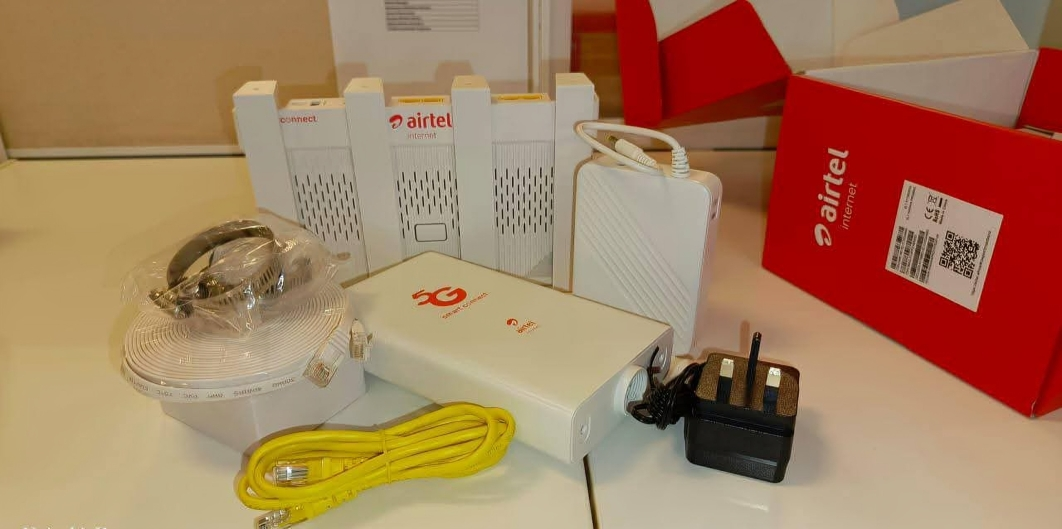
In 2026, Starlink satellite internet remains one of the most talked-about connectivity solutions in Nigeria. As Nigerians increasingly demand reliable and high-speed internet for remote work, gaming, streaming, business operations, and digital services, the appeal of satellite broadband — especially in areas where terrestrial networks are unreliable — continues to grow.
Understanding the current costs of Starlink in Nigeria, including hardware, subscription plans, and how it compares with alternatives like Airtel ODU, is essential for anyone planning to upgrade their internet experience this year.
What Is Starlink and Why It Matters in Nigeria?
Starlink is a satellite broadband service developed by SpaceX, the aerospace company owned by Elon Musk. Unlike traditional internet service providers (ISPs) that rely on wires or fiber, Starlink connects users directly via a constellation of low-Earth-orbit satellites. This means broad coverage, low latency, and potentially more consistent speeds even in underserved or rural areas.
Nigeria became one of the early adopters of Starlink in Africa, and its presence has challenged local broadband offerings, especially where fixed broadband infrastructures are weak.
Starlink Pricing in Nigeria — Hardware & Subscription (2026 Update)
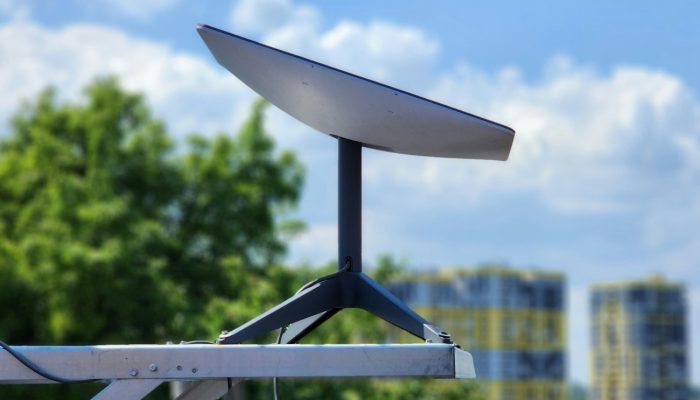
Starlink pricing in Nigeria has seen several adjustments over the last few years due to exchange rate fluctuations, inflation, and regulatory developments. Below is the most current overview as of 2026:
One-Time Hardware Cost
To access Starlink service you need to buy the Starlink kit:
- Starlink Kit (Standard Residential): Approximately ₦590,000 (market rate; may vary slightly with retailer or installation fees).
- Starlink Mini: Approximately ₦350,000 (Market rate)
This hardware includes the Starlink satellite dish, modem/router, mounting equipment, and cables needed to connect to the satellite network.
Monthly Subscription Fees
Starlink’s subscription pricing in Nigeria has fluctuated, but the most widely reported and accepted current price is:
- Standard Residential Plan: ₦57,000 per month
This latest pricing was confirmed as the adjusted rate for Starlink’s residential broadband plan in Nigeria, reflecting local costs and currency considerations.
The subscription plan typically includes unlimited data — meaning you don’t pay per gigabyte — which is a key advantage over capped mobile or fixed wireless plans.
Note: Past announcements showed prices as high as ₦75,000 for the standard plan, though regulatory interventions and later adjustments brought this down to around ₦57,000.
What You Get With Starlink Internet
Starlink’s appeal in Nigeria is tied to several performance and service factors:
- Wide coverage across urban and remote regions
- High speeds, often superior to fixed wireless and many fiber options
- Unlimited data, suitable for heavy users, businesses, remote work, and streaming
- Lower latency compared with traditional satellite services
However, there are trade-offs — the service is significantly more expensive than many local broadband alternatives, and direct purchases have been subject to distribution challenges. At times, Nigerians have relied on third-party retailers to acquire Starlink kits due to freezes on direct orders.
Starlink vs Traditional ISPs in Nigeria
Speed and Reliability
Starlink often outperforms traditional 4G/5G and fixed wireless broadband in terms of speed consistency and latency. Satellite connectivity can reduce the “dead zones” and frequent outages experienced on some terrestrial networks.
Cost Comparison
Starlink is comparatively expensive:
| Service Provider | Typical Monthly Cost | Key Strength |
|---|---|---|
| Starlink | ~₦57,000 | Unlimited data, wide coverage |
| Airtel 5G ODU | ₦25,000 Unlimited | Affordable 5G home broadband |
| MTN, Glo, Airtel Mobile Data | From ₦5,000 upwards | Mobile convenience, varied data caps |
Airtel’s ODU (Outdoor Unit) broadband solution has been gaining traction among Nigerians looking for high-speed home internet without the high entry cost of satellite. While it typically doesn’t deliver the same global coverage or consistency as Starlink, Airtel ODU offers competitive speeds at a much lower price point, especially in urban centers where 5G infrastructure is strong. Video comparisons of Airtel ODU vs Starlink speed tests show that ODU can deliver excellent performance for everyday use, but may lag behind Starlink in rural or fringe-coverage areas.
Who Should Choose Starlink in 2026?
Starlink is best for:
- Remote workers and businesses needing reliable high-speed internet
- Residents in underserved or rural areas where fiber and 5G are weak or unavailable
- Heavy data users who want unlimited data without throttling
- Enterprise applications requiring low latency and consistent connectivity
For many Nigerians in major cities like Lagos or Abuja, fixed wireless (like Airtel ODU) or fiber broadband remains more cost-effective if availability and infrastructure support are already robust.
Final Thoughts
In 2026, Starlink remains one of the most advanced internet solutions available in Nigeria, offering unlimited data and satellite-based connectivity that bypasses many limitations of traditional ISPs. While the monthly subscription of around ₦57,000 and hardware cost of roughly ₦590,000 may be beyond the reach of average consumers, the service fills a critical gap for users who value performance and reliability above cost.
When choosing between Starlink and alternatives such as Airtel ODU, assess your location, budget, and performance needs carefully. Starlink’s strength lies in its consistency and coverage, while Airtel ODU and other local broadband services deliver excellent value for urban users with strong mobile network coverage.
By understanding the current pricing and practical differences, Nigerians can make informed decisions about the best internet option for their homes, businesses, and digital lifestyles.