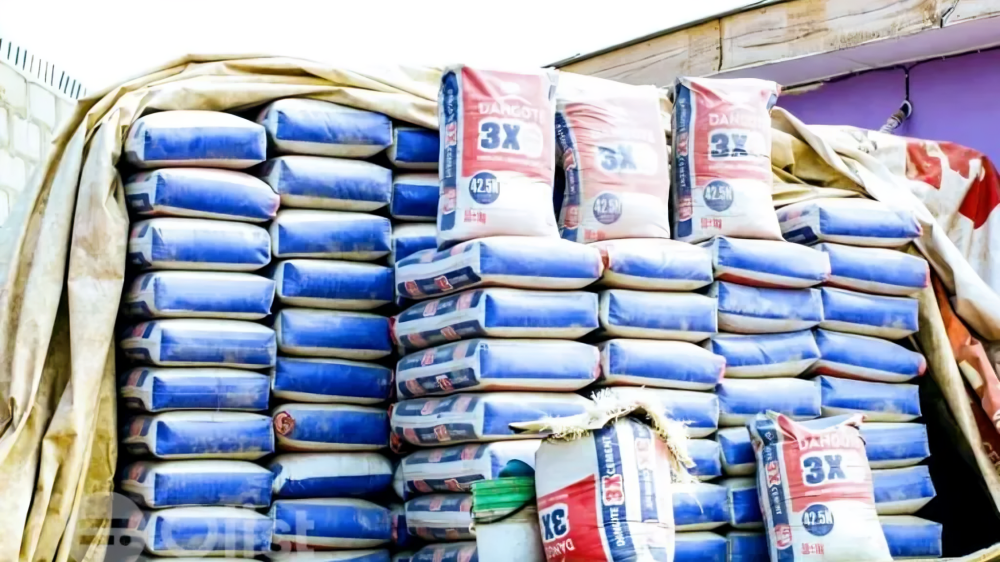
The price of cement in Nigeria has experienced significant changes over the last decade. Cement is one of the most essential building materials used in residential housing, commercial construction, and infrastructure development across the country.
Over the past 10 years, the price of a 50kg bag of cement in Nigeria has increased dramatically, largely due to inflation, rising energy costs, transportation expenses, foreign exchange fluctuations, and increased demand from the construction sector.
In this article, we analyze the price trend of cement in Nigeria from 2015 to 2025, highlighting how the cost has evolved and what factors influenced these changes.
Cement Price Trend in Nigeria (2015 – 2025)
Below is an estimated historical overview of the average retail price of a 50kg bag of cement in Nigeria over the last decade.
| Year | Average Price per 50kg Bag |
|---|---|
| 2015 | ₦1,800 – ₦2,200 |
| 2016 | ₦1,900 – ₦2,300 |
| 2017 | ₦2,000 – ₦2,500 |
| 2018 | ₦2,400 – ₦2,700 |
| 2019 | ₦2,500 – ₦3,000 |
| 2020 | ₦2,500 – ₦3,000 |
| 2021 | ₦3,500 – ₦4,000 |
| 2022 | ₦3,500 – ₦4,500 |
| 2023 | ₦4,500 – ₦5,000 |
| 2024 | ₦10,000 – ₦14,000 |
| 2025 | ₦8,500 – ₦10,500 |
Before 2020, the price of cement remained relatively stable, typically ranging between ₦2,500 and ₦3,000 per bag, which supported many construction projects nationwide.
However, from 2021 onward, prices began rising rapidly due to economic pressures and supply chain disruptions.
Major Phases of Cement Price Changes in Nigeria

1. Stable Pricing Period (2015 – 2019)
Between 2015 and 2019, cement prices increased slowly but remained relatively affordable.
Several factors contributed to this stability:
- Increased local production capacity
- Competition among cement manufacturers
- Stable exchange rates compared to later years
During this period, the average price of a 50kg bag of cement remained between ₦2,000 and ₦3,000 in most Nigerian markets.
2. Gradual Increase (2020 – 2022)
The period between 2020 and 2022 saw the first noticeable price increases.
During this time:
- the COVID-19 pandemic disrupted supply chains
- fuel prices increased
- construction demand rose
As a result, cement prices rose to ₦3,500 – ₦4,500 per bag across many parts of Nigeria.
3. Sharp Price Surge (2023 – 2024)
The most dramatic increase occurred between 2023 and early 2024.
Several economic factors contributed to this surge:
- rising energy and production costs
- increased cost of raw materials such as limestone and gypsum
- depreciation of the Nigerian Naira
- transportation and logistics challenges
A bag of cement that sold for around ₦3,500 in 2022 increased to about ₦4,700–₦5,000 in 2023, with further increases in some regions.
By early 2024, prices climbed even higher in many markets, sometimes reaching ₦10,000 – ₦14,000 per bag depending on the location and brand.
4. Market Stabilization Attempts (2025)
In 2025, prices started stabilizing in some parts of the country as production increased and market competition improved.
The average retail price of a bag of cement currently ranges between ₦8,500 and ₦10,500, depending on the brand and location.
While still significantly higher than earlier years, this range represents a slight improvement compared to the peak prices recorded in 2024.
Key Factors Influencing Cement Prices in Nigeria
Several factors influence the cost of cement across Nigeria.
1. Energy Costs
Cement production is energy intensive. Rising diesel and electricity prices directly increase production costs.
2. Transportation and Logistics
Transportation accounts for a large part of cement pricing, especially for states far from cement factories.
3. Exchange Rate Fluctuations
The depreciation of the Nigerian Naira increases the cost of imported machinery and raw materials used in cement production.
4. Demand from Construction Projects
Large government infrastructure projects and private housing developments increase demand for cement.
5. Government Policies
Regulations, taxes, and government interventions can influence pricing across the industry.
Major Cement Manufacturers in Nigeria
The Nigerian cement industry is dominated by three major producers:
- Dangote Cement
- BUA Cement
- Lafarge Africa
These companies control the majority of cement production and distribution across the country.
Outlook for Cement Prices in Nigeria
The future price of cement in Nigeria will depend on several economic and industry factors, including:
- expansion of cement production capacity
- improvements in transportation infrastructure
- stability in the foreign exchange market
- government policies on construction materials
Industry analysts expect cement prices to remain relatively high in the near term but potentially stabilize as production increases and supply improves.
Conclusion
The last decade has seen a significant increase in the price of cement in Nigeria. From an average of around ₦2,000 per bag in 2015 to over ₦9,000 per bag in 2025, the cost of cement has increased several times over.
Despite these increases, cement remains a critical component of Nigeria’s construction sector, supporting housing development, commercial projects, and infrastructure growth.
Understanding these price trends over the last 10 years helps builders, developers, and investors better plan their construction budgets and anticipate future market changes.